.svg)

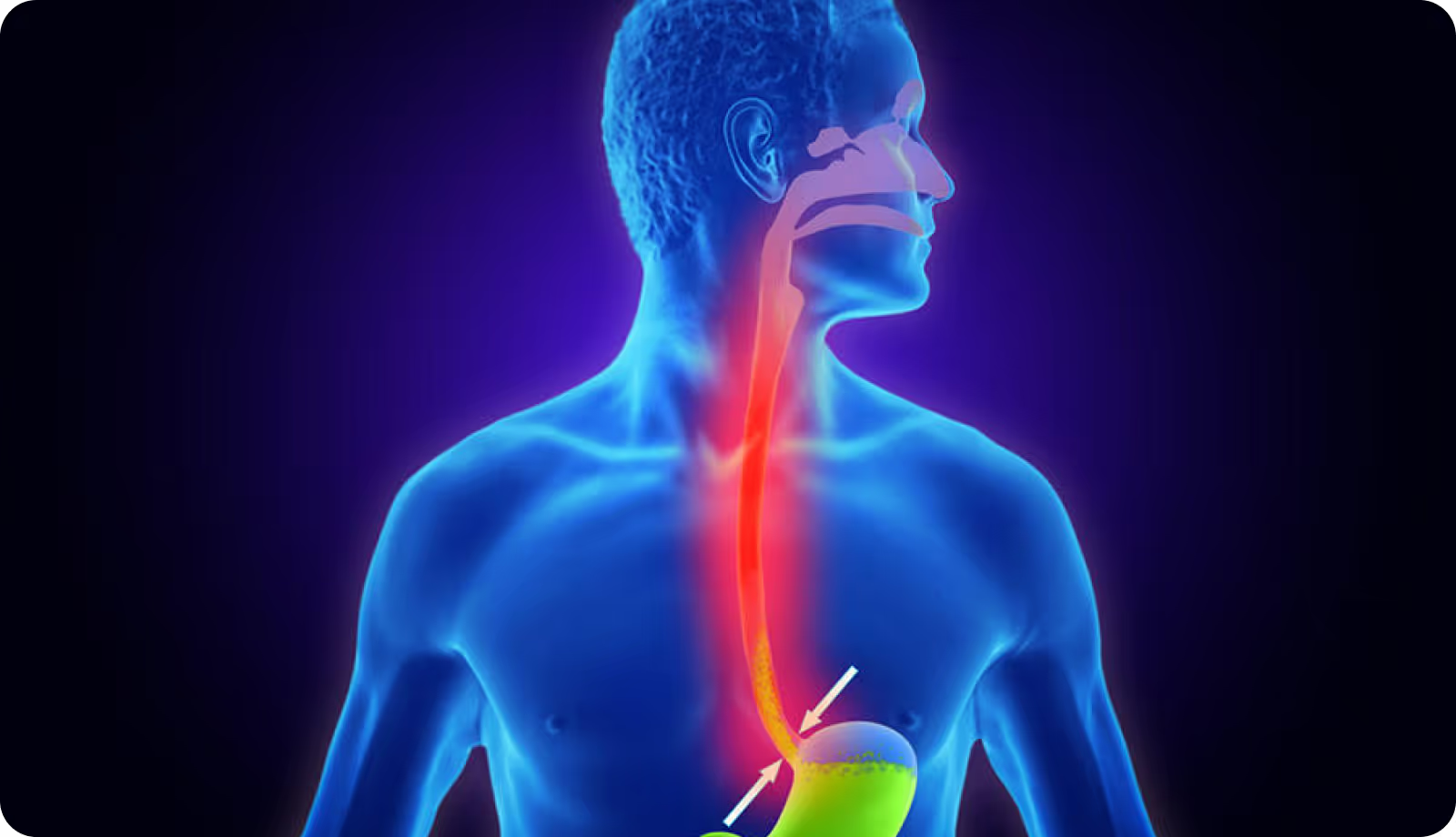
A 24-hour pH study is an esophageal pH monitoring test that measures how much, and how often, stomach acid enters into your esophagus over a 24 hour period. It helps diagnose conditions like gastroesophageal reflux disease (GERD), which is caused by the backward movement of stomach content into the esophagus and mouth during digestion. GERD can cause symptoms like heartburn, regurgitation, sore throat from irritation, coughing, and chest pain.
Usually GERD is a clinical diagnosis made by a doctor after evaluating a patient’s symptoms. As such, GERD is initially treated with a trial of proton-pump inhibitor (PPI) medication, which suppresses the acidity of stomach content. If there is an improvement in symptoms, such as heart burn and regurgitation after the 6 week medication trial, GERD is the most likely culprit.
In some patients, pH monitoring is indicated if the gastroesophageal reflux is not responsive to PPI medication, if the patient has a normal endoscopic finding, or if the patient presents with atypical GERD symptoms [1]
The Bravo capsule is another device that is used to measure the acid level in your esophagus. However, instead of being attached to a tube and monitor, the capsule is a wireless device that attaches to the lining of your esophagus to measure pH levels over 48 hours. It offers a more comfortable alternative to the traditional 24-hour pH study as it doesn’t involve nasal insertion and removal.
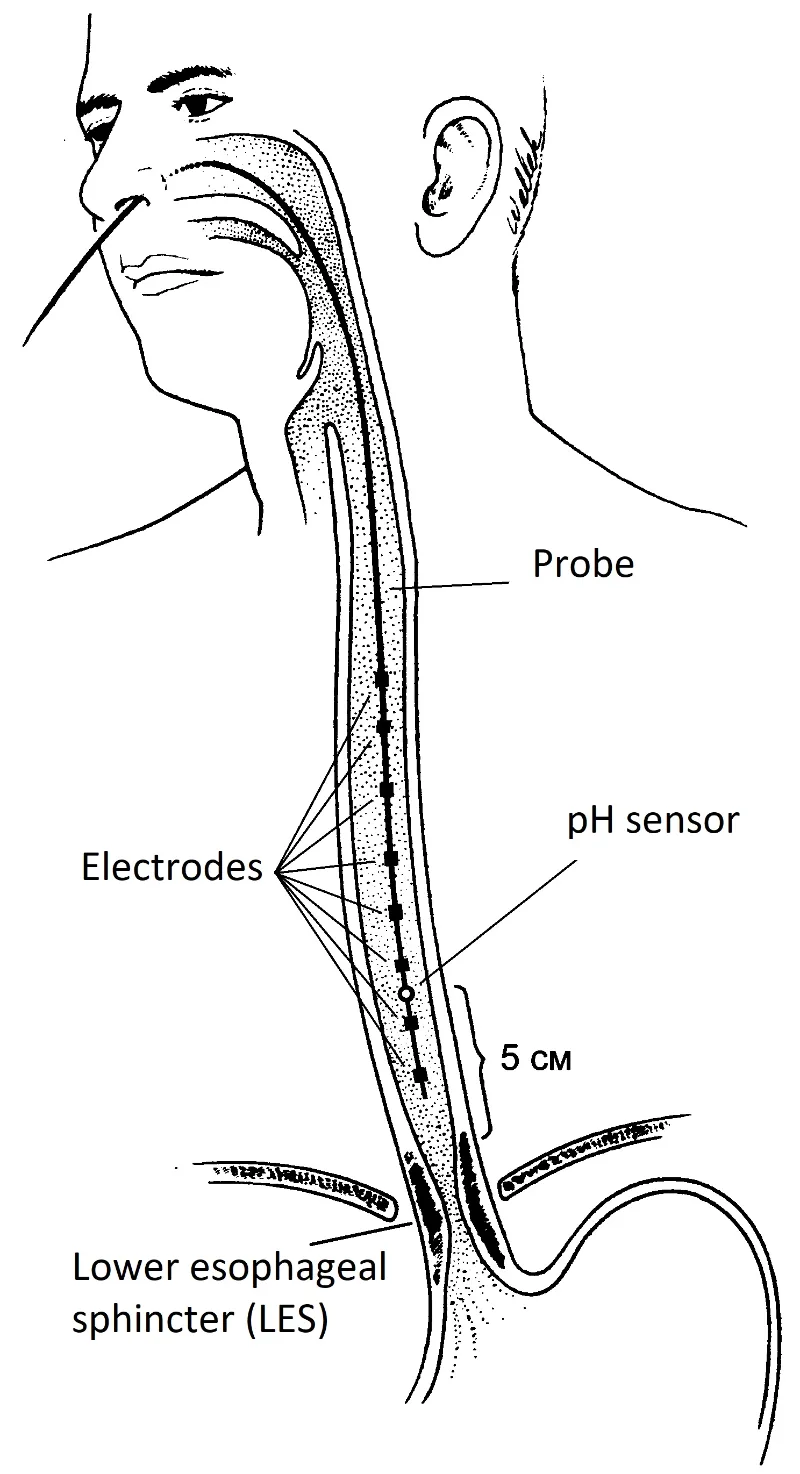
Both the Bravo capsule and 24-hour pH monitoring can provide the type of measured, day-to-day data that guides decisions about GERD treatment and follow-up. Once you have a detailed view of how often acid production reaches the esophagus and how long it remains there, it becomes easier to clarify whether symptoms such as heartburn, regurgitation, or chest discomfort are related to reflux.
The 24-hour pH study provides continuous measurement while you follow your daily routine, while the Bravo capsule-like device offers an alternative approach that avoids a nasal tube and allows for greater comfort during monitoring.
Although pH monitoring is useful in confirming acid-related symptoms, it does not assess inflammation, narrowing, or other structural changes in the esophagus. These concerns may require additional diagnostic studies. These tests measure acid levels but do not evaluate non-acid reflux, which can sometimes contribute to similar symptoms. When your physician needs to look for these structural concerns, the evaluation is usually done through an upper GI endoscopy or other imaging studies that allow the esophagus to be seen directly.
For patients looking for clarity around reflux symptoms, our gastro clinic in Montreal provides comprehensive care for digestive health needs; pH monitoring tests are part of that work, and they can often help explain why certain symptoms persist or fluctuate.
If your evaluation raises any questions about liver health, FibroScan may be recommended. This non-invasive liver elastography test offers a straightforward way to evaluate liver stiffness and contributes information that helps complete the clinical picture. It stands apart from pH monitoring but can be helpful when digestive and hepatic concerns intersect. Used together, these assessments provide the information needed to restore your digestive well being.
If pH monitoring is something you are considering, or if your symptoms have been difficult to interpret, you are welcome to book an appointment. Our team will walk you through what to expect and help you understand how each test fits into your care. You can raise questions at any point in the process.
.svg)
.svg)
.svg)
.svg)
.svg)
.svg)
.svg)
.svg)
.svg)
.svg)


.svg)

.svg)
.svg)